

Iranian culture, with love
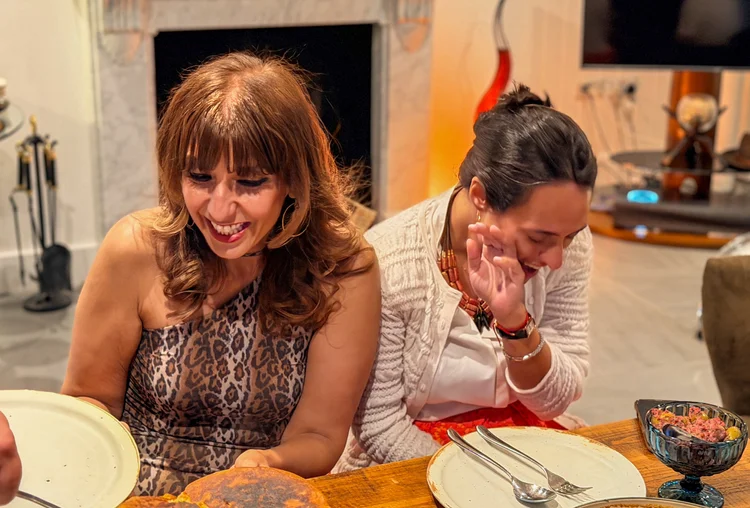
If you’ve ever been invited to an Iranian home, you’ll know: you will not leave hungry, you will not win the argument about the bill, and you will be saying goodbye for at least forty minutes. Here are the unwritten rules of Persian hospitality, explained by an Iranian who has broken every one of them.
1Taarof: the art of saying no when you mean yes
Taarof is Iran’s elaborate system of politeness. The host offers, the guest refuses. The host offers again, the guest refuses again. Only on the third offer is everyone allowed to say yes. It works the other way too: a taxi driver may wave away your money with “ghabel nadare”, “it’s not worthy of you”. He absolutely expects to be paid. Insist.
2“But you haven’t eaten anything!”
You’ve had two plates of rice, three kababs and a bowl of stew. Your Iranian host is genuinely worried you’re starving. An empty plate means “please refill me”, so if you’re truly full, leave a little on it, put your hand on your heart and say “merci, kheyli khoshmazeh bood”: thank you, it was delicious. You will be offered more anyway.
3The battle of the bill
At the end of a restaurant meal, Iranians fight to pay. Not a polite discussion: actual wrestling at the till, cards slipped to waiters on the way back from the bathroom, accusations of betrayal. Whoever loses will pay next time, and everybody remembers.
4The guest is a gift from God
An old Persian saying goes “mehman habib-e khodast”: the guest is God’s beloved. It’s why the best cushion, the biggest piece of tahdig and the first glass of tea always go to you. Never arrive empty-handed, though: a box of pastries or flowers is the minimum.
5Shoes off, slippers on
Iranian homes are carpet homes, and those carpets are sacred. Shoes stay at the door. Your host will produce a pair of guest slippers in a size that fits nobody.
6Tea is not a drink, it’s a punctuation mark
Tea arrives when you sit down, after dinner, after the fruit, and before you leave. It’s strong, often scented with cardamom, served in small glasses, and the old-school way to drink it is with a sugar cube held between your teeth. Saying no to tea is technically possible. Nobody has ever done it.
7The fruit bowl ritual
After dinner comes a mountain of fruit, and your host will peel and slice a cucumber or an apple and put it on your plate, with a sprinkle of salt. Cucumbers are fruit in Iran. Don’t argue.
8The politics of tahdig
There is only so much of the crispy rice from the bottom of the pot, and everybody wants it. Watching how an Iranian family shares out the tahdig tells you everything about who loves whom.
9The goodbye takes longer than the visit
Standing up to leave starts the process, it doesn’t end it. There’s more talking by the door, more talking on the stairs, more talking by the car, and a final “one more tea?”. Allow forty-five minutes. Minimum.
10You will leave with leftovers
No Iranian mother lets a guest go home without a container of stew and a bag of rice “for tomorrow”. It’s not a question. It’s love, in a takeaway box.
Come and see for yourself
This is exactly the feeling I cook for at Hami’s Miz, my Persian supper club: six guests, one table, tea, stories and far too much food. And if you’d rather do the feeding yourself, start with my beginner’s guide to Persian food.
Maman’s Table · my online cooking course
Cook like an Iranian host, step by step
24 Persian classics filmed in my own kitchen, each with a full written recipe and Maman’s notes. One payment, yours forever.
See Maman’s TableMore Persian food and culture in your inbox, every month.
Join Maman’s Recipe Mail